Structural Mitigation Protocols for Burst Heating Pipes
Mitigation Experts Editorial
Written & Researched
Expert Reviewed IICRC
Verified Mitigation Standards
Key Recovery Takeaways
- → Rapid Response: Call certified crews immediately to stop secondary structural timber rot.
- → State-of-the-Art Drying: High-velocity dehumidifiers and air scrubbers protect dry boundaries.
- → Expert Validation: Pinless meters and thermal imagers verify exact dry-out protocols.
Hydronic heating pipe bursts are particularly destructive structural events. Unlike standard plumbing leaks, heating pipes discharge pressurized, high-temperature water that accelerates structural wicking and expands deep into interior wall cavities.
1. Addressing Thermal Expansion
High-temperature water causes wood studs and drywall to absorb moisture at more than twice the rate of cold water. This heat-assisted wicking compromises structural adhesives and wicks deeply into thermal insulation, requiring immediate technical containment.
2. De-energizing and Ventilating Cavities
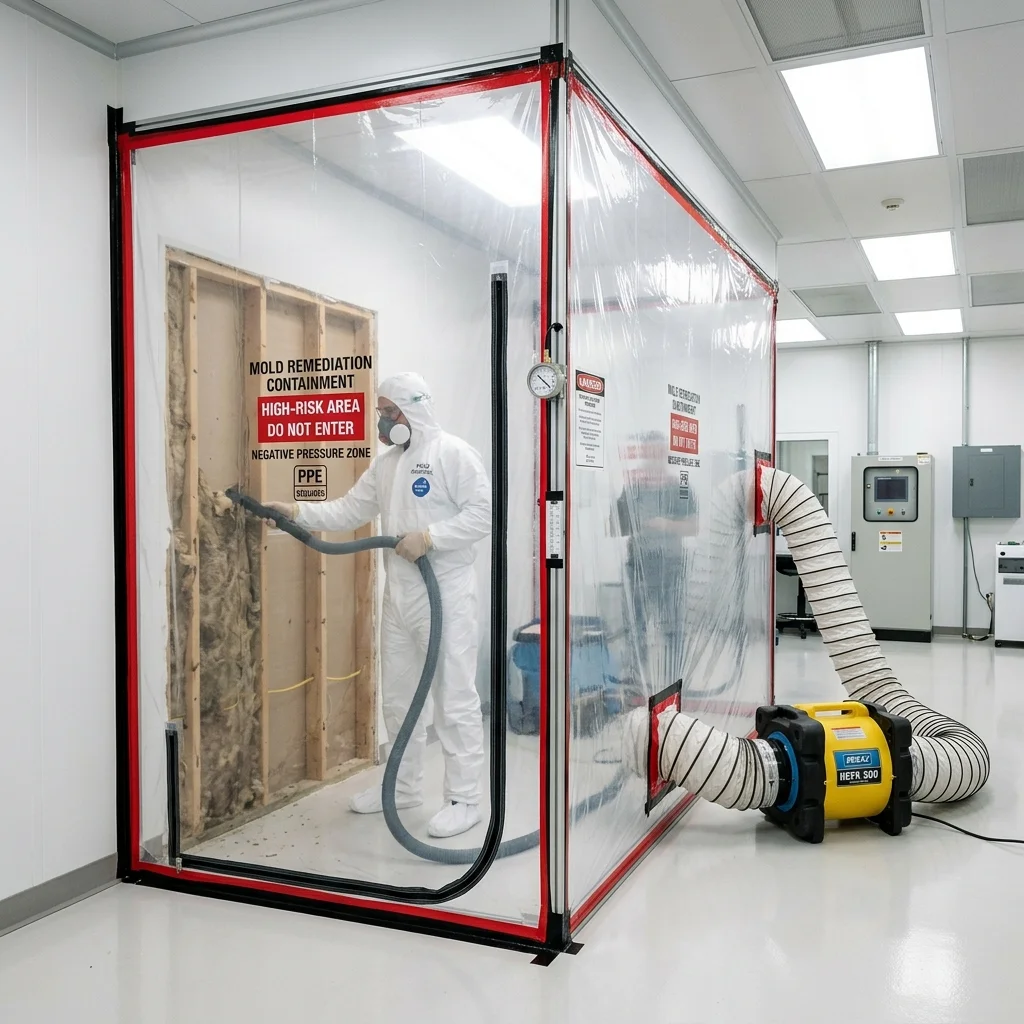
Thermal imaging cameras are used to map the hot moisture boundaries behind walls. Dispatched mitigation experts often cut structural dry-out pockets at the base of drywalls to inject warm, dry air into the framing cavities using specialized positive-pressure drying systems.
3. Disinfecting Hydronic Additives
Hydronic heating water often contains rust inhibitors, glycol, and mineral deposits. Crews wash all exposed subfloors with targeted neutralizing sanitizers to prevent chemical odors and structural corrosion from degrading your indoor air quality.
To safeguard your building framing from long-term decay, refer to our specialized regional guides like Water Damage Restoration in Arkansas, or search for our leading Water Damage Restoration network to locate an on-call crew near you.
Recommended Recovery Guides
- Next Guide: Managing Category 3 Black Water Emergencies Safely
- Previous Guide: How to Prevent Basement Mold After Sump Pump Failure