Advanced Restoring Gym Floors and Mitigation Protocols
Mitigation Experts Editorial
Written & Researched
Expert Reviewed IICRC
Verified Mitigation Standards
Key Recovery Takeaways
- → Rapid Response: Call certified crews immediately to stop secondary structural timber rot.
- → State-of-the-Art Drying: High-velocity dehumidifiers and air scrubbers protect dry boundaries.
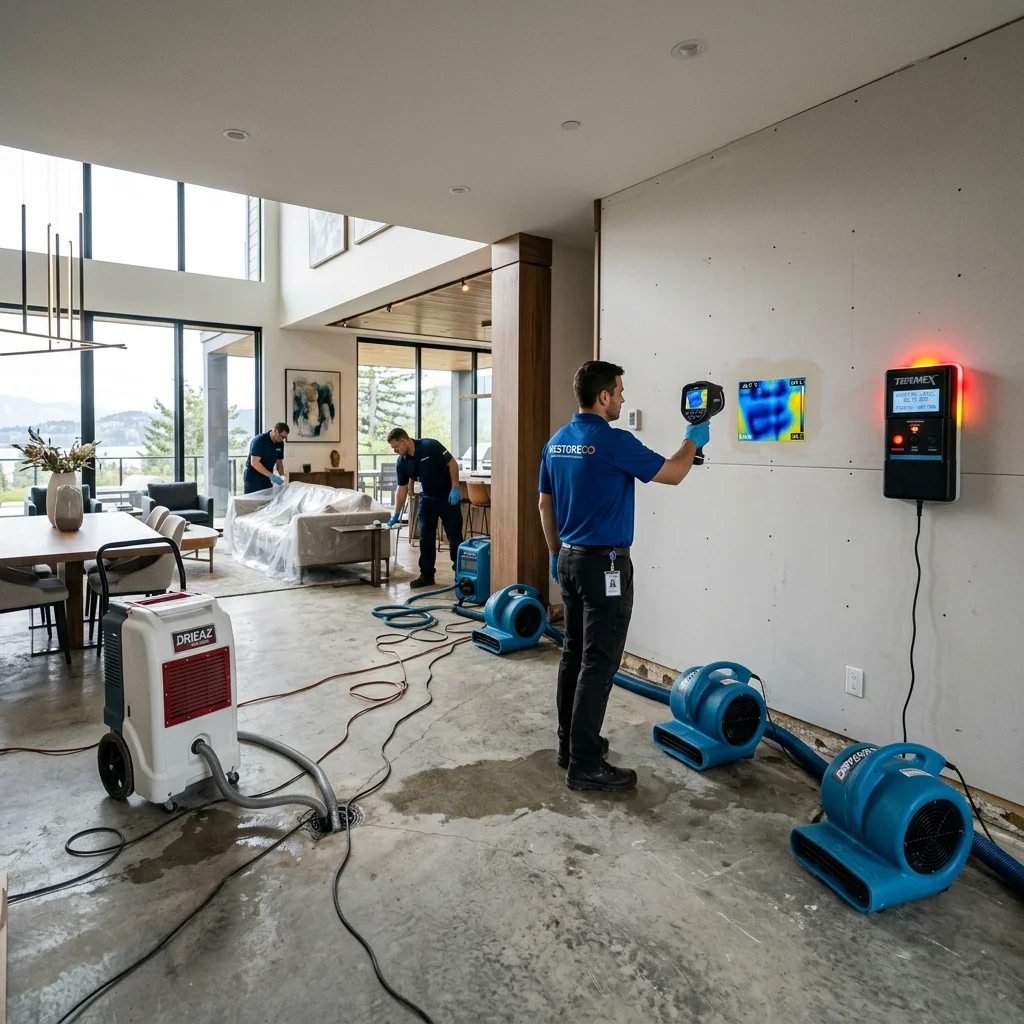
- → Expert Validation: Pinless meters and thermal imagers verify exact dry-out protocols.
Disaster recovery requires high-end technical training and advanced commercial assets. When addressing restoring gym floors in your home or commercial building, dispatched restoration professionals apply state-of-the-art structural drying science to contain the spread.
1. Identifying Saturated Boundaries
Moisture is highly deceptive. Saturated drywall can appear completely dry to the naked eye. Technicians deploy pinless moisture meters and thermal imaging cameras to track the exact moisture boundaries behind wall assemblies, cabinetry, and structural slabs.
2. Setting Up Negative Pressure Containment
To isolate hazardous soot, mold spores, or Category 3 bacterial dust, restoration crews build complete containment chambers using heavy-duty poly sheeting. Commercial air scrubbers are run continuously to pull contaminated air through multi-stage HEPA filters, protecting your building's ventilation systems.
3. High-Velocity Dehumidification
Once water is fully contained, technicians calculate the exact psychrometric airflow balances required. Dehumidifiers are run alongside high-velocity axial air fans to rapidly dry out structural timber, concrete subfloors, and internal drywall cavities.
To protect your property from permanent structural rot, consult our local guides like Water Damage Restoration in Virginia, or call our dispatch hotline for high-conversion Water Damage Restoration or Mold Remediation help today.